Another Year of Outstanding Development Engineering and InFEWS Doctoral Graduates

The Development Engineering PhD program at UC Berkeley empowers doctoral students to address global challenges in low-resource regions. Graduates like Julia Kramer, Alana Siegner, and Christopher Hyun have tackled issues ranging from health accessibility and climate education to sanitation equity, advancing interdisciplinary solutions for sustainable impact on food, water, and energy systems worldwide.

Now in its sixth year, the Development Engineering PhD program enables UC Berkeley doctoral students from engineering and social science fields to pursue applied technological research in low-resource regions around the world. The InFEWS—Innovations at the Nexus of Food, Water, and Energy Systems—Fellowship, as part of this doctoral program, enables students to work with and for poor communities that face extreme challenges accessing nutritious food, clean and reliable energy, and safe water. Both programs recognize and stand to correct Paul Polak’s observation that 90 percent of the world’s design efforts are aimed at 10 percent of the population.

Among this year’s graduates are: Julia Kramer, who received a PhD in Mechanical Engineering and a Master in Public Health and whose research focuses on global health and equity; Alana Siegner, a graduate of the Energy and Resources Group whose work addresses food distribution, access, and justice questions; and Christopher Hyun, also a PhD graduate of the Energy and Resources Group, whose research addresses water, pollution, and development, largely in South Asia.

Julia Kramer: Design for Global Health Accessibility

Julia Kramer has earned multiple advanced degrees at UC Berkeley: a Master of Public Health, a PhD in Mechanical Engineering, and a Designated Emphasis in Development Engineering. In addition to her scholarly work, she is co-founder of Reflex Design Collective, a consulting firm that uses design thinking to fight social inequality, and Visualize, a nonprofit dedicated to empowering and supporting midwives to screen for cervical cancer.

Kramer’s dissertation, “Designing for Health Accessibility: Case Studies of Human-Centered Design to Improve Access to Cervical Cancer Screening,” is based on her Development Engineering work in Ghana, India, and Nicaragua. She describes the impetus and framework for her research thus: “Our world faces immense challenges in global health and equity. We see huge disparities in access to health care across geographies, and while we have made massive strides in addressing health issues, we know that these disparities persist. In my dissertation, I explore the role of human-centered design to improve global health access. Human-centered design, a cross-disciplinary creative problem-solving approach, has been applied and studied in both academic research and industry practice, but its role in improving global health access remains poorly understood.

“I present research on designing for health accessibility in the context of one particular disease: cervical cancer. Cervical cancer is an illustrative example of the global disparities in access to health care, given that cervical cancer is preventable. Every year, 300,000 women around the world die of cervical cancer, and 90% are  in low- and middle-income countries. My research examines the work of two organizations that created unique solutions to improve access to cervical cancer screening in India and Nicaragua. I developed case studies of each organization grounded in ethnographic fieldwork, including over 250 hours of observation and 15 interviews over two years. Through these case studies, I show how early efforts to understand the barriers inhibiting cervical cancer screening access allow design practitioners to create novel and feasible ways to address these barriers. This demonstrates the importance of design practitioners considering multiple dimensions of accessibility, while conducting design research in order to improve the potential impact of their ideas and prototypes. Overall, this dissertation establishes the foundation of a new framework to ‘design for accessibility’ that can spark further research across sectors, including but not limited to global health.”

Alana Siegner: Education at the Intersection of Food Systems and Climate Change

After graduating with a double major in Environmental Studies and International Relation from Tufts University, Alana Siegner spent three summers in Uganda working on an Engineers Without Borders clean water storage project. Siegner then served as an AmeriCorps National Teaching Fellow with Citizen Schools, working with 8th graders in Boston Public Schools. At UC Berkeley, where she completed a PhD from the Energy & Resources Group (ERG) and was an InFEWS Fellow, she researched sustainable, agroecological food systems and farm-to-school programs as mechanisms for developing student environmental and climate literacy. Her master’s project focused on the San Juan Islands as a case study of high-functioning school food programs and environmental education; and she served as a sustainable agriculture intern for two summers, working alongside small scale diversified farmers on Lopez Island. Siegner has developed, implemented, and evaluated food and climate change curriculum. She served as a graduate student researcher with the Berkeley Food Institute, working on a study of East Bay urban agroecology, with a focus on food distribution, access, and justice questions; and as an agriculture and plumbing systems engineer for the THIMBY tiny house project, a collaboration of ERG students, faculty, and graduate students from other departments.

The dissertation chapter most closely tied to Siegner’s InFEWS Fellowship is “Education: Experiential Food and Climate Change Curricula on Farms, in School Gardens, and in Humanities Classrooms.” It addresses the motivation for creating experiential, interdisciplinary, action- and solution-oriented climate change educational resources for a variety of educational settings. Using an integrated Food-Energy-Water nexus framing, she introduces concepts of systems thinking and experiential learning about natural resources as they relate to climate change education in the United States. Examples of experiential and solutions-oriented interdisciplinary curricula are provided from the San Juan Islands in Washington state, from Oakland, California, and from Washington, D.C. 

Christopher Hyun: The Challenge of Sanitation in Low-Income Communities    

Christopher Hyun has over a decade of experience in South Asia, working on water, sanitation, pollution, culture, religion, and development, particularly in the Ganges River Basin in Varanasi, India. He has worked with multiple NGOs on capacity building, education, and watershed and waste management. He earned a M.Sc. in Environmental Science from Banaras Hindu University, and in 2013 moved to Berkeley to join the master’s program in the Energy & Resources Group, then continuing on to become an InFEWS Fellow and complete his PhD at ERG with a Designated Emphasis in Development Engineering.

Hyun’s dissertation, “Shit, Now What? Overcoming the Struggles of Infrastructure, Inequity, and Capacity to Achieve Sanitation for All,” details how and why inadequate sanitation is a hallmark of low-income communities in low- and middle-income countries. He writes: “The United Nations Sustainable Development Goal 6 (SDG 6) attempts to address this challenge by declaring ‘sanitation for all’ and targeting a 50 percent reduction of ‘untreated wastewater’ by 2030. However, urban areas of low- and middle-income countries have struggled to reach such treatment targets. Since the 1980s, development practitioners and researchers have interrogated the reasons for these shortcomings, primarily focused on the need for decentralized technology; however, increasingly blame has focused on the complexity of social phenomena. My scholarship is grounded in empirical research on the challenge of sanitation in low-income communities. While centered on the crisis of sanitation, I seek to advance and inform critical theoretical and policy-relevant debates on socio-technical systems, local governance, and capacity building.

“I hypothesize that sanitation shortcomings indicate gaps and miscommunications in our collective understanding of sanitation systems. Practitioners and researchers often base interventions on the ‘sanitation service chain,’ which defines the sanitation system as an engineering one as opposed to one with both social and technological dimensions. Therefore, I ask: (1) What are the definitions, functions, and actors of sanitation uncovered across major disciplines? (2) How do these disciplinary understandings compare to baseline understandings of sanitation, i.e. SDG 6 and the sanitation service chain? I led a cross-disciplinary review team from UC Berkeley, Stanford University, and Columbia University. Our discussion and results provide conceptual clarity to the complexity of sanitation systems through (1) the development of an augmented sanitation framework, as well as (2) recommendations for how cross-disciplinary research can support and advance the Sustainable Development Goals.”

A Class for the Pandemic

When Rachel Dzombak and Vivek Rao began planning for the spring 2020 Development Engineering course “Innovation in Disaster Response,” part of their motivation was to get students to think about the use of technology during past disasters. But by early March, it was clear to Dzombak and Rao that the COVID-19 pandemic was increasing the relevancy of their class in ways no one could have predicted.

When Rachel Dzombak and Vivek Rao began planning for the spring 2020 Development Engineering course “Innovation in Disaster Response,” part of their motivation was to get students to think about the use of technology during past disasters. But by early March, it was clear to Dzombak and Rao—who both earned PhDs in Engineering at Cal, have expertise in design and innovation, and lecture for the Blum Center and the Haas School of Business—that the COVID-19 pandemic was increasing the relevancy of their class in ways no one could have predicted.

For their 23 students—comprising even shares of graduates and undergraduates, technical and non-technical majors, and women and men—determining appropriate technological interventions to disaster-driven problems became visceral. And as the class moved online, connected by Google and Zoom instead of open studio space, the students observed how all manner of organizations were struggling to use technology to protect lives and livelihoods due to the fast-moving coronavirus.

Ethan Stobbe, a Master of Engineering student, recounted that the class started with different readings about drone technology. One reading was written for and by engineers whose view of drones was promotional and laudatory, and the other was written by and for government employees who warned about public policy problems presented by unmanned aerial vehicles.

“I realized there was this massive disconnect between the people who develop the technology and get excited about it and push it,” he said, “and the people who have to use technology to make life in a disaster zone more bearable. That’s the beauty of this class—to see both sides—and to understand how to bring technology that’s less than a decade old into a disaster response zone.”

Stobbe was assigned to the “cash disbursements” team with a fellow engineer and two lawyers. They included: Karen Olivia Jimeno, a Master of Development Practice and Fulbright student from the Philippines; Mozheng (Edward) Hu, a Master of Engineering student focused on product design from China; and Ifejesu Ogunleye, a Master of Development Practice student who trained in law at University of Manchester and the Nigerian Law School. As they conducted interviews about cash disbursement with representatives from FEMA, Give Directly, and other organizations, they were guided by Dzombak and Rao not just to focus on the mobile technology, but on “framing and reframing” their understanding of how to make cash disbursements more effective. 

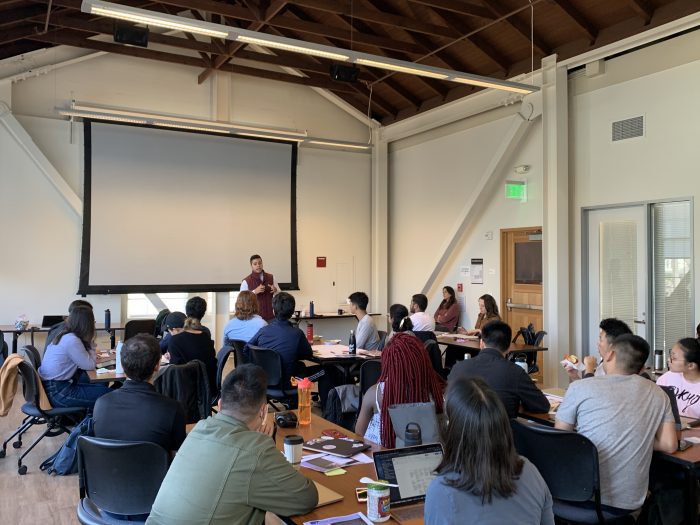
A classroom filled with students who are attentively listening to a speaker at the front. The room has a high, wooden-beamed ceiling and large windows, creating a bright and airy atmosphere. The speaker is standing near a large blank projection screen, engaging the audience. The students are seated at tables, some with laptops open and others taking notes.
Alex Diaz, Head of Crisis Response & Humanitarian Aid at Google.org, lectured to students on disaster prevention, response, and recovery, focusing on the roles of technology and governance.

The team’s first framing question was: How might we help streamline the disbursement of cash relief while maximizing its impact in disaster response? This prompted the students to question how the disbursement process works, why particular steps in the process are difficult, which organizations are the largest, and what existing standards govern the field. After conducting several interviews with practitioners, they learned that cash allocation can be enhanced through crowdsourced information and public accountability, but that targeting people is a challenge and enrollment and verification takes time. So they reframed their question to: How might we speed up the distribution of cash transfers by improving the enrollment of and verification process of disaster survivors?

The team’s final idea, which included a prototype website presented over Zoom in early May, was “biometric pre-registration” along with a policy guide to address legal concerns. The idea was to compel individuals in flood, hurricane, and other disaster zones to pre-register their biometric information on a website, in order to receive cash disbursements more easily in the event of a calamity. The point, argued the team, is to work around the problem of identification, as driver’s licenses, social security documents, and birth certificates often disintegrate in disasters. During their final presentation, the team acknowledged how seeing the rollout of the CARES Act, in which tax returns were used as a verification method, validated the need for solutions that enable quick access to cash for citizens.

Dzombak and Rao see the educational approach they offer to the cash disbursement and other teams as part of the emerging discipline of Development Engineering. “Development Engineering embraces complexity as a sub-discipline in itself,” explained Rao. “A lot of ways that design-based problem solving or technology-driven problem solving is taught—the problem isn’t engaged in a multi-dimensional way.”

Dzombak underscored that although the course teaches design methodologies, “The actual project is the focus and outcome of the class. The projects themselves demand that one builds technical and social fluencies and specifically how to move back and forth between the two to solve problems that matter.”

Dzombak feels strongly that STEM education needs more problem contextualization, more emphasis on ethics, and more rigor around collaboration and teamwork. She was drawn to Development Engineering during her PhD at UC Berkeley because she wants to see academic inventions tested and applied but also because she believes that well implemented technologies, devised in an interdisciplinary and collaborative way, can improve and even save lives.

Rao explained that there is a long orthodoxy in higher education that you must learn theory before exploring applied technologies or solutions—an orthodoxy that stems from the need for deep knowledge before tackling complex problems. “But there is also an urgency to many problems,” said Rao. “Students have a hunger for them and there are many ways to contribute to problems before you have a PhD in a specific field.”

Rao noted that the accessibility of technology is changing who gets to intervene in disasters and how. “The ability to manufacture a mechanical part would previously have required a high degree of fluency in several knowledge areas and toolkits,” he said. “Now, a rough prototype of that  product can be designed and built with a credit card and a few clicks. In many cases, the learning curve on technical tools has eased to the point where you can engage with tools and theory simultaneously and cater to students where they are.”

Dzombak noted that the augmented reality and data visualization sessions of their course would not have been possible four years ago when she and Rao were working on their doctorates. “Every student would have needed a background in programming and hardware in order to engage in that space. But given where toolkits are now, students were able to download software, do some reading, and then engage in a meaningful way.”

Since technologies will alway be advancing, Dzombak and Rao believe there is a growing space for people who are tech savvy but not tech specialized and can frame questions while leveraging the latest tools. “We’re trying to teach students how to learn how to learn in a very explicit way,” said Dzombak. “Because of the way jobs are shifting, people are going to be forced to get up to speed on new technologies and figure out how to use them to tackle problem areas.”

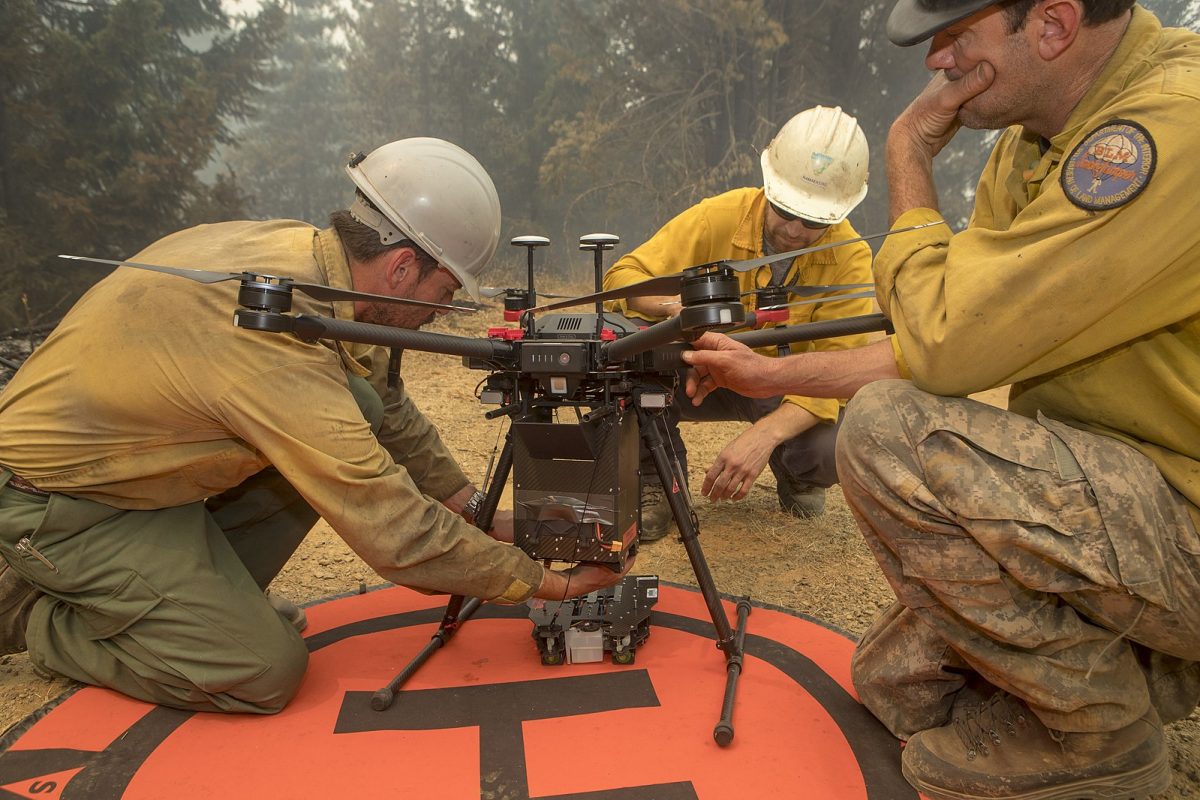
The student team that explored drone imagery is an example of this approach. They were excited to apply drone technology to fire mitigation in California. But after talking to fire chiefs, image processing researchers, and drone operators and designers, they surfaced several problem areas in which they did not have the expertise to make a contribution. For example, they knew that one of the challenges in using drone video footage during disasters is how best to parse the massive amount of data generated. And they also knew that drones suffer from flight mechanics and battery power issues during disasters, but those issues are best handled by drone manufacturers. Where could they make an impact?

One area where they found less activity is how to leverage public and private drone operation after the first hour of a disaster. The “Rapidash” prototype—developed by Master of Development Practice Student Aaron Scherf, Master of Engineering Student Wai Yan Nyein, Cognitive Science Student Meera Ramesh, and Data Science Student Jinsu Elhance—is an app that enables public and and private drone operators to collaborate during disasters by providing maps of high vulnerability areas and access by firefighters to this information. The idea is to get firefighters crucial information about the direction and density of a blaze as soon as possible and especially when public drones are too far away. 

Katie Wetstone, a Master of Development Practice student who was assigned to the “disinformation” team, said that this kind of idea formation has been a strength of the class. “We were given a structured way to process information after interviews and organize different insights,” she said. “This approach is different from other courses, in that we have more time to research and understand a problem space rather than jumping to a solution.”

Wetstone said it wasn’t until the last third of the class, after interviews with Alex Diaz at Google.org and Chris Worman at TechSoup, that her team homed in on the idea that disinformation is a “public sector problem in a private sector space.” They also realized that immediately after a disaster there is an “information vacuum period” when a lot of disinformation spreads, making people vulnerable to news that increases anxiety and bad decisions. 

“This whole problem is a balance between education, technology, and policy,” said Master of Development Practice Student Sadie Frank. “Until the policy mechanisms around enforcement and regulation of social media change, or until private social media companies make significant personnel investments, our best approach might be to teach people how to recognize and avoid disinformation.”

During the final projects showcase, the disinformation team presented “Compasio,” a downloadable device extension that filters potentially inaccurate information on social media through pre-verified accounts and geolocation. The software essentially warns users when information is suspect or unverified. 

Dzombak notes that “Innovation in Disaster Response” is not meant to jumpstart social enterprise ideas, such as new apps and web services, though it might. “The training is meant to prevent unintended consequences once students go into the workforce. That’s why we spent a lot of time on critical thinking, ethics and values, decision-making,  and teaming.”

Deniz Dogruer, an Engineering Education PhD Student and COO of Squishy Robotics, who served as the graduate student instructor for the course, noted that the range of disaster-related problem spaces students explored—drones, disinformation, evacuation, disaster documentation, and cash disbursement—made the course particularly complex to teach but also advantageous for development engineering training.

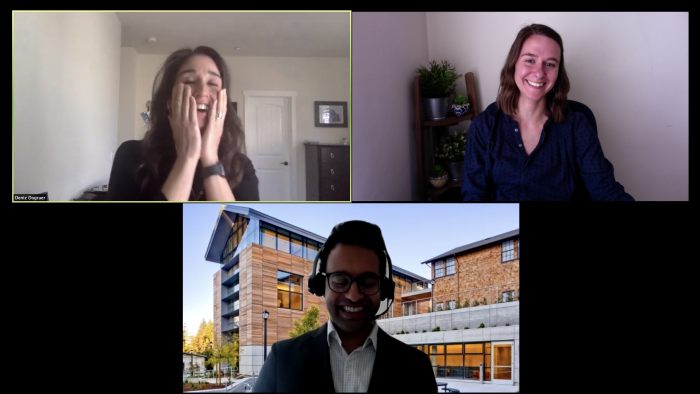
A zoom video call page containing 3 people.
On Zoom: Innovation in Disaster Response Graduate Instructor Deniz Dogruer (upper left) and Course Developer-Lecturers Rachel Dzombak (upper right) and Vivek Rao (bottom).

Although the COVID-19 pandemic that forced the course online gave faculty and students a chance to consider the importance of technology during disasters, Dzombak said it’s been a “mixed bag.” 

“In some ways, it gives students an excellent way to connect with their learning. The disinformation team, for example, was inundated with so many examples of how their problem can manifest,” she said. “On the flip side, so many people think the future of education is purely online. But the intangibles that we’re trying to teach—collaboration, peer-to-peer learning, process iteration, emotional connections—are just drastically changed. I think the irony is that solving complex societal problems requires people collaboration as much if not more than advances in technology. We need to be present with each other, not just with the machine.” 

—Tamara Straus

Why We Are Expanding the Field of Development Engineering

The Blum Center celebrates the Nobel Prize in Economics winners for pioneering randomized control trials in poverty interventions. Building on these insights, development engineering integrates economics, technology, and social sciences to address global challenges. The center aims to advance this interdisciplinary field by hiring professors in health, energy, and entrepreneurship.

This winter, the Blum Center was among the many groups in academia and development to celebrate the recipients of the Nobel Prize in Economics. Professors Abhijit Banerjee and Esther Duflo of MIT and Michael Kremer of Harvard were lauded for their innovative use of randomized control trials and behavioral economics to evaluate the effectiveness of global poverty interventions—and for a body of scholarship that has transformed the field of development economics.

Stated the Royal Swedish Academy of Sciences: “This year’s Laureates have introduced a new approach to obtaining reliable answers about the best ways to fight global poverty. In brief, it involves dividing this issue into smaller, more manageable, questions—for example, the most effective interventions for improving educational outcomes or child health. They have shown that these smaller, more precise, questions are often best answered via carefully designed experiments among the people who are most affected.”

One of Banerjee, Duflo, and Kremer’s innovations—strengthened by other leading development economists like UC Berkeley’s Edward Miguel—is to emphasize the importance of field work and the contribution of teams. Previously, development economists worked largely in isolation; today, their studies often include dozens or even hundreds of people representing government, nonprofits, civic organizations, and private firms. This approach leads to greater transparency of both the data collected and the methodology used, as well as a richer inquiry into which poverty reduction programs and policies should be studied and whether or how they should grow.

At the Blum Center, we are studying how advances in development economics are part of a new and emerging field, which we call “global problem solving” and “development engineering.” This field is responsive  to the UN Sustainable Development Goals and to the fact that, in many cases, we have the scientific and technological tools to meet the United Nations’ 17 goals but not the financial will or transformative tools for changing people’s behavior to achieve them. Development engineering builds on what development economics has revealed—which poverty interventions are succeeding—and then modifies or scales or re-invents them for implementation elsewhere.

In this way, development engineering is both deeply indebted to development economics as well as a transdisciplinary field for our time. Its rigor is in understanding complex societal challenges—such as the need to build earthquake and typhoon-resistant homes around the globe—and then devising the technological, cultural, financial, policy tools, and work force development to implement these problem solutions.

Elizabeth Hausler, who received her PhD in civil and environmental engineering from Cal, and went on to found Build Change to empower people to live and learn in safer homes and schools, is an exemplary development engineer. When she visited the Blum Center recently, she said her organization’s greatest challenge is not in seismic technologies but in all that surrounds resilient construction in developing nations: community buy-in, policy frameworks, government advocacy, financial product availability and affordability, and ensuring local construction workers are well trained.

Hausler called her efforts “Money, Technology, People” or “The Financial, The Technical, and the Social,” describing a kind of holy trinity of development engineering demands. Another way to describe development engineering is that it enables iterative problem identification and solution formulation propelled by interdisciplinary teams. In essence, we are advocating a transdisciplinary approach that combines the insights-oriented rigor of development economics with the solutions-oriented rigor of engineering. We also aim to integrate business, natural resources, public health, and social sciences into development engineering in order to appropriately and ethically create, implement, and scale new technologies to benefit people living in resource-deprived regions.

Over the next year, the Blum Center will take steps toward realizing the promises of development engineering by partnering with the College of Engineering and the Haas School of Business to hire two tenure track professors. One will be an assistant professor whose focus area may include: engineering better health, the nexus of food, energy and water systems, accessible low-cost energy technologies, the digital transformation of societal systems, climate change mitigation, or sustainable design and communities. Applicants will be hired 50 percent into the Blum Center and 50 percent into a home department in Bioengineering, Civil & Environmental Engineering, Electrical Engineering & Computer Sciences, Industrial Engineering & Operations Research, Materials Science & Engineering, Mechanical Engineering, or Nuclear Engineering.

The second hire will be an assistant, associate, or full professor in Entrepreneurship in Developing Economies who will split his or her time between the Blum Center and the Haas School and whose research topics may include productivity, innovation, small and medium-sized enterprises, financing for entrepreneurial activities, start-ups, venture capital funding, incubators, and policies to promote new businesses.

These professors will help us realize the promises of development engineering and be leaders, with their future students, in the achieving the UN Sustainable Development Goals.

Shankar Sastry is Faculty Director of the Blum Center for Developing Economies and NEC Distinguished Professor of Electrical Engineering and Computer Sciences at UC Berkeley.

Development Engineering Graduates Producing Solutions Scholarship

The Development Engineering PhD designated emphasis at UC Berkeley integrates technology, interdisciplinary collaboration, and social impact to address global poverty. Recent graduates’ research includes projects on cookstove efficiency, nitrogen recovery, LED lifecycle management, and fluoride removal. The program trains scholars to create scalable, sustainable solutions for underserved communities worldwide.

Engineers have the potential to play an instrumental role in helping marginalized communities improve their living conditions. That is because engineers are adept at applying the principles of science and math to develop socio-economic solutions. For much of the 20th century, people trained in history, law, and sociology were seen as the primary actors for alleviating poverty. Increasingly, engineers who can assimilate these and other disciplines are today’s poverty alleviation strategists—aware that today’s technological leaps forward are creating inequalities that need multiple forms of redress.

The Development Engineering PhD designated emphasis was launched with this in mind. An interdisciplinary training program for UC Berkeley doctoral students from any field, the program requires dissertation research on the application of technology to address the needs of people living in poverty. Originally seeded by USAID, the Development Engineering field is growing. During the 2018-2019 academic year,18 additional students enrolled in the program representing a growth of more than 160 percent from the previous year. They include nine students from the College of Engineering, six students from the College of Natural Resources, two from the College of Environmental Design, and one from the School of Education. Beyond this disciplinary heterogeneity, the program attracts a diverse pool of students: 50 percent of the incoming cohort are women and 25 percent are underrepresented minorities.

Now in its fifth year, the Development Engineering program is producing a wide range of scholarship and its graduates have gone on to positions in academia, industry, the nonprofit sector, and their own enterprises. Below are summaries of recent graduates’ dissertation research.

Inspecting What You Expect: Applying Modern Tools and Techniques to Evaluate the Effectiveness of Household Energy Interventions (2016)

Author: Ajay Pillarisetti, Postdoctoral Researcher at UC Berkeley
Advisor: Kirk R. Smith, Professor of Global Environmental Health
Many low-income families in North India rely on solid fuel use for household cooking, heating, and lighting. Use of these fuel sources result in exposure to fine particles (called PM 2.5) and is one of the leading causes of ill health globally (approximately 4 million premature deaths). This dissertation examines the rollout of PM sensors in these environments, the deployment of 200 advanced cookstoves to pregnant women in India, and examines the adoption rates of various cookstoves in rural districts.

Quantifying the Crisis of Cooking: Next Generation Monitoring and Evaluation of a Global Health and Environmental Disaster (2016)

Author: Daniel Wilson, CEO, Geocene: Sensors and Analytics Connected
Advisor: Ashok Gadgil, Professor of Civil and Environmental Engineering
Since the beginning of the modern Darfur conflict in 2003, violence has forced Darfuri families from their homes.The impetus for the Berkeley-Darfur Stove (BDS) is to reduce the burden and danger IDP women face when acquiring fuel in and around the camps. The BDS’s improved thermal efficiency allows women to cook food using less fuel than a traditional three-stone fire.
In the Global South, cooking stoves’ contribution to human disease is comparable to dirty water and is responsible for more annual deaths than AIDS, malaria, and tuberculosis combined. While biomass-burning stoves generate over 1 billion tonnes of carbon dioxide annually, the shipping of resources to communities often increases carbon dioxide use. Though estimating carbon dioxide use is often a flawed science, quantifying this ecological and health problem is a first step to addressing the solutions.

Health, Human Capital, and Behavior Change: Essays in Development Microeconomics (2016)

Author: Angeli Kirk, Affordable Internet Research Manager at Facebook
Advisor: Elisabeth Sadoulet, Professor of Agricultural and Resource Economics
This dissertation combines three empirical studies of household behaviors as they relate to investment in health and human capital in developing countries. The first explores how changes in children’s nutrition in Uganda correspond to household income. The second studies measurement activities in a cookstove intervention in Darfur, Sudan, with insights into what may be missed in traditional evaluation approaches as well as how technology adoption may benefit from an unintended “nudge.” The third evaluates the impacts of a conditional cash transfer program in El Salvador, with a focus on how program compliance and benefits change time allocations among household members.

Case Studies of IDEO.org and the International Development Design Summit (2016)

Author: Jessica Vechakul, Designer and Social Innovation Strategist
Advisor: Alice Agogino, Professor of Mechanical Engineering
In the social sector, programs often fail due to a lack of understanding of the norms, knowledge, and needs of the people who execute and benefit from the solutions offered by those programs. Human-Centered Design (HCD) offers a broadly-applicable problem-solving framework and methods for developing an in-depth understanding of people who are directly impacted by development challenges, generating creative ideas, and rapidly learning from small-scale pilots. This dissertation characterizes two drastically different approaches for teaching and practicing HCD for Social Impact: that of IDEO, a company that pioneered the HCD approach, and that of the International Development Design Summit program, in which students and members of low-income communities learn to design appropriate technologies and launch social enterprises.

Effects of Air Flow Modifications on Biomass Cookstoves (2016)

Author: Kathleen Lask
Advisor: Ashok Gadgil, Professor of Civil and Environmental Engineering
Since biomass cookstoves use wood, charcoal, crop residues, and/or animal dung as fuel, emissions from cooking lead to possibly fatal health effects. When researching the effects of the Berkeley-Darfur cookstove, a design said to pollute less, measurement sensors are often designated far away from the source, which miss the cookstove’s combustion efficiency. This dissertation focuses on the pollutant production, measured by the opacity or soot volume fraction of both the Berkeley-Darfur and conventional cookstoves to paint a more detailed comparison between the two.

Designing and Evaluating Novel Approaches to Nitrogen Recovery from Source-Separated Urine (2017)

Author: William Tarpeh, Assistant Professor of Chemical Engineering, Stanford University
Advisor: Kara Nelson, Professor of Civil and Environmental Engineering
Cattle breeding is a major contributor to greenhouse emissions, using about 30 percent of the Earth’s land surface and producing about 70-120 kg of methane per cow. Recovering nitrogen from collected urine can reduce the costs and environmental impact of mass animal raising. Focusing on how to strip nitrogen with 93 percent efficiency, this dissertation examines a new approach that holds promise for creating greener agriculture.

Harmonizing Technological Innovation and End-of-Life Strategy in the Lighting Industry (2017)

Author: Rachel Dzombak, Blum Center Researcher and Lecturer
Advisor: Arpad Horvath, Professor of Civil and Environmental Engineering and Sara Beckman, Professor Haas School of Business
Climate change and a growing global population are placing considerable constraints on material, water, and energy resources. Tracking the product life of LEDs may provide insights as to how products are managed throughout the lifecycle as well as their end-of-life fate. Primarily, this dissertation examines current end-of-life strategies, how various design choices and failure modes influence a product’s options at end of life, and how economic costs and environmental impacts vary among end-of-life strategies.

Designing a Scalable and Affordable Fluoride Removal (SAFR) Process for Groundwater Remediation in India  (2017)

Author: Katya Cherukumilli, CEO, Co-founder, and Technical Lead, Global Water Labs and University of Washington Commercialization Fellow
Advisor: Ashok Gadgil, Professor of Civil and Environmental Engineering
Globally, 200 million people are at risk of adverse health effects from drinking groundwater contaminated with geogenic fluoride concentrations exceeding the World Health Organization’s maximum contaminant limit. Although many defluoridation technologies have been demonstrated to work in lab, most have proven inappropriate for developing countries because they are cost-prohibitive, require skilled labor, or are difficult to scale. Activated alumina (AA) column filters are widely used by the upper middle class but production of AA remains costly in terms of money, energy, and greenhouse gas emissions. Eliminating these energy-intensive steps in refining bauxite, a ubiquitous aluminum-rich ore ($30/tonne), to AA ($1,500- $2,000/tonne), has the potential to reduce the annual per-capita material cost of treated water significantly. The purpose of this dissertation is to ascertain the use of bauxite as a potentially inexpensive defluoridation technology through experimental studies characterizing globally diverse bauxite ores and tradeoffs associated with mild processing steps to enhance fluoride removal performance.

Demand-side Knowledge for Sustainable Decarbonization in Resource Constrained Environments: Applied Research at the Intersection of Behavior, Data-Mining, and Technology (2017)

Author: Diego Ponce de Leon Barido, founder of Three Stone Analytics
Advisors: Daniel M. Kammen, Duncan Callaway, and Alexey Pozdnukhov
The global carbon emissions budget over the next decades depends critically on the choices made by fast growing emerging economies. However, few studies exist that develop country-specific energy system integration insights that can inform emerging economies in this decision-making process. High spatial- and temporal-resolution power system planning is central to evaluating decarbonization scenarios, but obtaining the required data and models can be cost prohibitive, especially for researchers in low, lower-middle income economies. Among other things, this dissertation investigates the role and importance of high-resolution open access data and modeling platforms to evaluate fuel- switching strategies. Oil price sensitivity scenarios suggest renewable energy to be a more cost-effective long-term investment than fuel oil, even under the assumption of prevailing cheap oil prices.

Elucidating Liver Fluke Transmission Dynamics: Synthesizing Lab, Field, and Modeling Methods (2018)

Author: Tomas Leon, Postdoctoral Researcher at UC Berkeley School of Public Health
Advisor: Robert C. Spear, Department of Environmental Health Sciences
In northeast Thailand, infection with the Southeast Asian liver fluke Opisthorchis viverrini is a public health priority, infecting over 50 percent of the population in some villages and causing 5,000 excess cancer cases per year. People acquire the parasite by eating raw or undercooked fish, a deeply embedded local cultural and culinary tradition. Health education is essential to preventing and controlling the disease, but the environment also plays a major role in enabling and catalyzing transmission between hosts. An emphasis on disease ecology and the environmental determinants of transmission is useful and necessary for public health understanding and for informing and designing future treatment and control interventions. This dissertation takes that approach, investigating each disease host and linkage for the role of the environment in influencing transmission.

Pursuing a Career in Engineering Co-Design: A Q&A with Ryan Shelby

Ryan Shelby, a UC Berkeley PhD in Mechanical Engineering, applies co-design methodologies and engineering expertise as a USAID Foreign Service Officer in Haiti. Through the Build Back Safer II program, he’s repaired 4,000 roofs, trained over 2,000 locals in hurricane-resistant construction, and advanced sustainable infrastructure to empower communities and enhance resilience.

When Ryan Shelby left UC Berkeley with a PhD in Mechanical Engineering in 2013, he and his advisor considered his dissertation unusual. Shelby’s PhD research went beyond traditional engineering. It presented design theory and methodologies and was based on his involvement in building sustainable housing and renewable power systems with the Pinoleville Pomo Nation in Ukiah, California.

“Looking back, I was a bit of an odd duckling,” said Shelby, now a Diplomatic Attaché and Foreign Service Engineering Officer at the United States Agency for International Development in Haiti. “I wanted to do PhD work that was applied and more meaningful in a development context.”

Shelby failed his first qualifying exam. But the setback forced him to delve beyond engineering and become a technology for development polymath. He steeped himself in business, environmental science and policy, ethnographic studies, development theory, information technology, and the history of Native American tribes. When Ryan was handed his diploma, he continued along this interdisciplinary path. During the summer of 2013, he served as a Science, Technology & Innovation Fellow at the Millennium Challenge Corporation. He then worked in Sub-Saharan Africa and other emerging regions as a senior energy advisor for the U.S. Office of Energy and Infrastructure, landing in 2016 the position as a USAID foreign service engineering officer.

At USAID, Shelby has been developing and managing Haiti’s Build Back Safer II program, for which he recently won an award. Build Back Safer II provides local job training and material sourcing for hurricane-resistant building structures. To date, the program has resulted in 4,000 home roof repairs, the training of over 2,000 people (60 percent women) in roof rehabilitation techniques, and the completion of scores of handwashing and toilet facilities in areas damaged by Hurricane Matthew. Build Back Safer’s II next stage of repairs will focus on microgrid rehabilitation, water point upgrades, and sanitary block restoration in health clinics.

At UC Berkeley, Shelby remains a model for engineering Berkeley PhDs who want to do interdisciplinary research in low-income regions and use their technology skills. The graduate program in Development Engineering comes in part out of his quest to do applied engineering at the dissertation stage. To learn more about his trajectory as well as his views on engineering co-design, the Blum Center spoke with Ryan Shelby from his USAID office in Port-au-Prince, Haiti.

How did your upbringing influence your academic and career pursuits?

I grew up in really rural Alabama, in Letohatchee, where there were about 600 to 700 people. My Dad had a farm there. I always liked to tinker—mess around with my Dad’s tractor, take apart my Mom’s vacuum cleaner. Luckily, my parents indulged me and I had a natural affinity for math. They let me to go to Alabama Agricultural & Mechanical University, an historically black college that had a very good engineering program. I majored in mechanical engineering with a focus on propulsion systems. It was 2003/2004 when President Bush talked about going after more alternative, sustainable energy approaches. That was pretty exciting to me, but Alabama A & M didn’t have an energy program. That’s when the dean of my university, Dr. Arthur J.  Bond, told me about UC Berkeley and Professor Alice Agogino. He made the connection for some mentoring with her, and she encouraged me to apply. She said I could pursue design, energy, and engineering work.

Would you advise engineering PhD students to do applied work while in university?

In academia, there’s a lot of amazing ideas and technologies. But transferring those ideas into a practical technology that can be built and implemented at scale and have impact within a short time horizon—that’s not something easily done. Still, I would encourage people do this in an academic setting, because it’s a lot easier to do theoretical and applied work and fail and learn from those mistakes, as opposed to when you’re out in the policy world or in industry. The more you ideate, the more you fail, the more information you gather. It allows your next version to reach a more optimal solution.

How does USAID view university-incubated innovations?

The applied work university researchers do makes it a lot easier for us on the government side to say, “It’s been peer-reviewed and tested. Now let’s learn from what the Ivory Tower has done and integrate the work into our projects.” That’s how USAID under the Obama administration and now under the Trump administration is approaching university innovators. We realize universities have great ideas; they may be too high risk for industry to fund. But the U.S. government is willing to make informed decisions to invest in these technologies, so we can grow them and integrate them into our work—and ideally leapfrog pitfalls some countries face in their self-reliance and overall growth.

Are you working with universities in your Build Back Safer II program in Haiti?

Yes, we are partnering with the American University of the Caribbean in Les Cayes, Haiti and the Swiss Development Corporation to develop training programs on rehabilitation techniques and housing upgrades for homes and other vertical structures that were damaged by Hurricane Matthew. We identify masons and carpenters and others in the community who have some technical skills and interest in learning new vocational skills, and train them in hurricane repair and making proper foundations. We’ve combined that with vendors in the area, to source the right materials, so they can go out and implement a lot of these repairs—on roofs, water distribution points, and on two solar microgrids in the southern part of Haiti.

What combination of skills did you deploy to develop this program?

I designed this program because of my experience with the Pinoleville Pomo Nation. Coming in and putting in a solution that does not fit the cultural context is not the best way to ensure sustainability and self-reliance. Rather, you need to understand community needs, understand situated knowledge. In Haiti, we want to give community members access to the latest technology and building techniques. For me, this requires learning the Haitian way of building, and co-creating a shared knowledge base of how we can go out and do housing repair work that pulls from these knowledge bases. One the traditional building techniques here is called clissage, where you weave pieces of wood of varying tensions to create strong foundations and vertical structures. What we’re doing is showing Haitians how they can bolt onto clissage more modern and hurricane-resistant techniques for roof design and installations.

Is there a fairly straight line from your doctoral work to your current USAID work? 

I told Alice [Agogino] it’s like déjà vu. My work in Haiti is almost a mirror image of the dissertation work I did at Berkeley. It’s still housing, design, and rehabilitation work, and it’s also energy systems to provide electricity to support economic growth. This is the exact thing I did with the Native American tribe. I’m using the same research techniques and codesign methodology with these Haitian communities. If I hadn’t done this dissertation work at Berkeley with Native American communities in California, I would find my job at USAID hard to do. I wouldn’t have the theoretical background or the tangible experience to prepare me for this work.

Which thinkers would you recommend to students in development engineering?

I highly recommend [UC Santa Cruz Professor] Donna Haraway’s work on situated knowledge as a core tenet of co-design and co-creation. Situated knowledge pulls from environmental science policy and feminist theory, and provides an intellectual framework for understanding and utilizing people’s knowledge bases. I also recommend [Harvard Professor] Sheila Jasanoff’s work on the co-production of knowledge and [Rutgers University] Frank Fischer’s work on citizens as experts of the environment. Dr. Fisher writes about how communities work with outsiders to understand environmental impacts and how to try to design and implement solutions.

How has the field of development changing, particularly for the U.S. government?

It really hasn’t changed that much between Administrations. Both the Obama and Trump Administrations have pushed to work with nontraditional actors, including universities. One big difference with development under the Trump Administration is we’ve increased the focus of self-reliance and co-creation. Our goal is to partner with a host country governments and co-design solutions with them, so that the host country itself can do the implementation work and not have to rely fully on the U.S. government. Under the Trump Administration, USAID is committed to streamlining our procurement approaches and increasing the usage of co-creation design approaches within new awards by 10 percentage points in Fiscal Year 2019. We want to continue to partner with universities, partner with private sector, partner with religious groups, partner with other nontraditional actors—so we can get the best technologies, solutions, and innovations to fit the needs of a host country government and get it out in the field as quickly as possible. The aim is to improve their resiliency and self-reliance and reduce their overall dependency on U.S. foreign aid as well as eventually open up new markets for American goods and services.

What would you recommend to Development Engineering students who want to work for USAID and other governmental organizations?

The transition from a more research background into development or the policy arena can be as perilous as crossing the sea with the sirens Scylla and Charybdis on either side. To navigate this path, I would recommend engaging in more applied research while at Berkeley with professors like Alice [Agogino], Alastair [Iles], Ashok [Gadgil], and Dan [Kammen] to get a better understanding of this space. Next, I highly recommend that students consider pursuing science and technology policy fellowship programs, such as the Christine Mirzayan Science & Technology Policy Graduate Fellowship Program at the National Academies, the California Council on Science and Technology, or the Institute for Defense Analyses Science and Technology Policy Institute (STPI) Fellowship. These programs are designed to help Bachelor, Master, and PhD candidates and recipients to understand how science is utilized in development and policy making.  My experience as a Fall 2012 Mirzayan Fellow was instrumental in helping me land my job at the Millennium Challenge Corporation and USAID, as the National Academies taught me how to translate science and engineering speak into the language and format of a policy brief.   Moreover, I was able to use my time at the National Academies to conduct informational interviews with development professionals within government as well as in for-profit and nonprofit organizations, to better learn which technology gaps and other seemly intractable problems that were encountering.  These interviews and the knowledge that I gained were instrumental in helping me find and land a position at USAID.

InFEWS Fellows Take on Sustainable Development Goals

By Tamara Straus

The goal of the PhD is to do original research in a specific discipline. That means in-depth and often narrow inquiries that build on academic knowledge. But for many STEM and social science graduate students, the great draw of the PhD is developing research that can have wide societal benefit—in clean water or pollution reduction, for example—and be implemented through government or business.

Since 2017, the Blum Center for Developing Economies has been enabling graduate students to develop societal benefit research through the InFEWS—Innovations at the Nexus of Food, Energy, and Water Systems—program funded by the National Science Foundation. InFEWS provides fellowships and travel stipends for students whose PhD research aims to provide lasting environmental solutions and alleviate poverty in the world’s poorest regions. The program’s mandate is to train a new generation of interdisciplinary STEM researchers and practitioners who can improve the living standards of Americans and meet the United Nation’s Sustainable Development Goals.

The requirements are broad. InFEWS Fellows must address challenges at the intersection of food, energy, and water systems. Their research must take into consideration climate variability, water, and pollution, along with changing demographics in a world where the poor and rural have insufficient access to basic resources. To meet these challenges, InFEWS Fellows are asked to engage in interdisciplinary research activities and course work, including human-centered design and lean start-up approaches, as well as pursue immersive lab and field training. Students are also expected to gain experience in needs assessment, analysis of qualitative and quantitative data, and concept testing.

This year’s cohort of InFEWS Fellows includes 37 students from 13 schools and departments at UC Berkeley, including the School of Information, College of Natural Resources, Haas School of Business, College of Engineering, and Goldman School of Public Policy. Sixty five percent of the fellows are women and 25 percent are under-represented minorities, which is typical of STEM programs that address global challenges. In addition, 25 of the 37 fellows are also in the Blum Center’s Development Engineering program, which has similar goals in terms of training engineers who want to use technological innovations to address poverty.

Below are Q&As with four current InFEWS Fellows.

Sara Glade
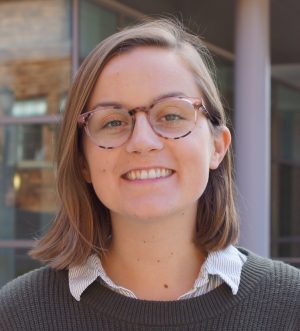
Sara Glade is a PhD student in Environmental Engineering whose InFEWS work focuses on drinking water treatment technology development and implementation.

Why did you seek to become an INFEWS Fellow and Development Engineering student?

My exposure to Development Engineering began during my undergraduate career when I was introduced to the organization Engineers Without Borders. I became deeply invested in the chapter, working on a water supply project in Haiti and a bridge project in Nicaragua. My passion for water came to fruition in the field in Haiti, after seeing children walk miles to collect polluted water. Here I learned the potential of engineering and water to improve the quality of people’s lives, which inevitably drew me to be interested in researching water treatment technologies for disadvantaged regions.

At UC Berkeley, I have been part of many social impact driven engineering projects. In the course DE 200, I worked with Sanivation, a container-based sanitation company located in Kenya. In CE 209, I worked with Berkeley-based startup SimpleWater to survey rural communities in California with arsenic contaminated drinking water about their water and point of use treatment. I learned first-hand the challenges communities throughout the Central Valley and the U.S. face with drinking water contamination. This ignited a strong interest in using Development Engineering to work on U.S. water issues, which I carried into my research. All of these experiences, before and during Berkeley, ultimately led me to the Development Engineering program.

Throughout my time at Berkeley, I have also grown to better understand and appreciate the link between food, energy, and water systems, and this drew me to the InFEWS program. My current research has also pushed me to think critically about these connections as well.

Tell us about your current research.

My current research started in quite a unique way. A UC Davis professor visited a community in the California Central Valley, in Allensworth, and met several community members looking for appropriate arsenic treatment technology solutions. This professor then contacted my advisor, Ashok Gadgil, because the Gadgil Lab has over 10 years of experience working on a novel arsenic treatment technology called ElectroChemical Arsenic Remediation (ECAR).

On our first call with several community leaders, we were asked to help treat water on their farm for a livestock application. The development of ECAR at small scale on this farm site would be a unique opportunity for economic development in the community, for fresh food to be available nearby, and could also enable next steps of a demonstration plant and community treatment plant for drinking water. I knew this project would be perfect for my interests in U.S. water, treatment technology development, and implementation.

Thus far, I have conducted lab scale tests to understand parameters useful in designing the field trial, have developed design constraints unique to the U.S. context, have discussed the field trial design with our community partners, and have presented our work to a number of stakeholders, including local nonprofits. The next step of this work is to finish raising funds, and then implement and operate the field trial. Alongside the field trial, I plan to conduct interviews with community members to understand their perception of this new technology. Overall, I hope to increase knowledge around appropriate drinking water treatment technology development and implementation in small, low-income communities in the United States.

What are your long-term goals?

After my PhD, I would like to continue working on development and implementation of water treatment projects, either in the U.S. or internationally, and could see myself working in low-resource regions on projects that are in between basic science and commercialization. It seems amazing technologies and research that could serve the needs of disadvantaged populations sometimes get stuck in papers or at small scale. I hope to work on bridging this gap throughout my future career, with the hopes of bringing to fruition many technologies that otherwise would stay trapped in a text. I am also considering doing a policy fellowship after my PhD. From the work I have done on U.S. water thus far, I have become very interested in how policy can prohibit or enhance access to safe drinking water in affected regions.

Christopher Hyun
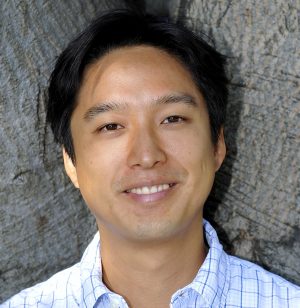
Christopher Hyun is pursuing a PhD from the Energy and Resources Group with a designated emphasis in Development Engineering; his InFEWS work focuses on water and sanitation planning.

What drew you to the InFEWS Fellowship?

What drew me to InFEWS is its community of learning. I’ve been working in the development sector for over a decade, gaining experience in income generation, capacity building, and water- and sanitation-related research. I’ve had the privilege of working with environmental organizations and institutions on water and sanitation, such as the Centre for Science and Environment, Banaras Hindu University, IIT-Bombay, and CDD Society in India. Sanitation is not often considered an important sector at the nexus of food, energy, and water, although FEW systems thinking has the potential to help solve sanitation’s challenges; so this is an opportunity for me to learn from other scholars in the InFEWS community. Also, I am currently observing a sanitation revolution occurring in the development sector about which I am excited to share with the community as innovations unfold, integrating with an increasing number of FEW systems. Furthermore, I enjoy contributing to discussions about the relationship between technological innovation and social structures as well as general social and governance perspectives of FEWS.

What are your overall research interests?

I recently completed a research project, working with water valvemen to help improve intermittent water systems and partnering with NextDrop and the Bangalore Water Supply and Sewerage Board. As I continue with my PhD research, I hope to uncover pro-poor sanitation solutions that have long-term impacts on food, energy, and water systems in urban contexts of low- and middle-income countries. I focus on the governance of sanitation in urban India, following decision-making by international funders and government officials as well as by the engineers who design low-energy intensive technologies (such as biogas digesters) and the local farmers who reuse the wastewater and fecal sludge. I am particularly interested in capacity building for innovative sanitation solutions and how capacity building is conceptualized and implemented across scales of governance in sanitation.

Why is capacity building so important in your research?

Local officials and engineers often don’t have the capacity to make design decisions, and farmers may oppose new sanitation systems as they would rather obtain fecal sludge directly (but unsafely) from septic trucks. In my research, I aim to understand such local dynamics and to uncover ways to mitigate the gaps between scales of sanitation governance. Capacity building is often considered a solution to such challenges. I partner with the Consortium for DEWATS Dissemination (CDD) in India, internationally recognized for innovations in low-cost sanitation systems, reuse, and capacity building. I have worked closely with CDD, designing and implementing sanitation training focused on CDD’s “toilet to table” philosophy. In research, I utilize an ethnographic approach, conducting observations and interviews with stakeholders, civil society organizations, and government officials.  My goal is not only to uncover how capacity building can be more effective, but more fundamentally how capacity building is being defined and implemented, including by whom and for whom. Uncovering capacity building not only informs development practice but it also helps us understand how and why technological transitions may (or may not) happen, which I believe is at the heart of both Development Engineering and InFEWS.

George Moore
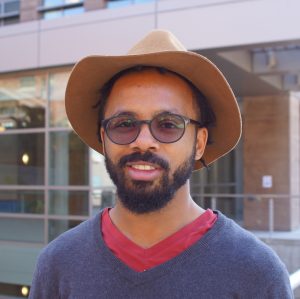
George Moore is a Mechanical Engineering and Development Engineering doctoral student whose InFEWS research focuses on food, energy, water systems with the Pinoleville Pomo Nation of Northern California.

What drew you to research on sustainable energy and water resources?

My first opportunity to work on InFEWS-related research came during my summer research internship at the University of Michigan in 2015. There, I studied a sustainable manufacturing project for an underdeveloped community in Uganda. Reflecting on my own experience growing up as a minority in the rural South, this project made me feel personally connected and empathetic towards underserved communities globally. I read about several case studies where organizations or researchers engaged with communities in developing countries and the original plan of action had to be altered to accommodate for context and cultural values that could not have been foreseen. Although this seems obvious to me now, I was surprised and grew curious about the methods used to design for communities like these in ways that would precipitate not only tangible goods, but also sustainable practices related to the handling of primal needs like food, water, and energy resources.

How did you come to work with the Pinoleville Pomo Nation (PPN) of Northern California?

As a PhD student working with Professor Alice Agogino and two other graduate students, I helped plan field research conducted at the PPN’s annual Big Time festival in Summer 2017. There, we were able to observe and engage with the PPN community in their own sacred environment. In addition, we provided an exercise that encouraged PPN members, and others in attendance, to articulate their opinions of the current problems within the PPN community as well as potential solutions to those problems. We offered five suggestive themes to categorize these responses, in which most of them cater to the vision of the InFEWS initiative: Food, Water, Energy, Education, and Well Being.

Since then, we have continued to work with PPN community leaders to establish how to progress with a project that would align the needs of the PPN community with those of our research goals. The PPN community has expressed interest in STEAM (Science, Technology, Engineering, Art, and Math) Education, and over the past year has started an Academic Success Center, invested in a makerspace, and finished the second year of its annual STEAM summer camp. With this in mind, we have re-framed our research scope to emphasize InFEWS themes within the context of STEAM education and the design of culturally sensitive makerspaces.

What are your long-term goals?

I’m genuinely excited to be working on a project that aligns so much with my personal and academic goals. I think that success for the PPN project requires our roles as facilitators to become obsolete—creating lasting change that will continue long after our presence is removed. Also, we hope that whatever is produced from this collaboration upholds the values of the community. To achieve that goal, we have been careful to minimize the ideas and subtle influences that we might impose as researchers.

Lorenzo Rosa

Lorenzo Rosa Lorenzo Rosais a PhD candidate in the Department of Environmental Science, Policy, and Management whose InFEWS research investigates where water scarcity may limit energy and food systems.
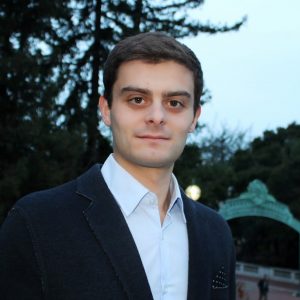
How have your academic interests informed your InFEWS work?

My training is in engineering, hydrology, and energetics. Before pursuing a PhD at UC Berkeley, I received master’s and bachelor’s degrees in Environmental Engineering from Polytechnic University of Milan, Italy and studied abroad at KTH Royal Institute of Technology and the University of Virginia. Since 2017, I have been awarded an Ermenegildo Zegna Founder’s Scholarship. Over the years, while studying the chemical processes of engineering as they relate to the environment, I noticed that the biggest environmental polluters are the food and energy sectors. This got me thinking I should focus on energy and food systems and hydrology to develop a framework using water balance.

Why focus on water balance?

An often-overlooked aspect of water requirements for economic activities is that water is a limited resource and some of these activities could be constrained by water scarcity to the point of limiting the development of some assets. For instance, lack of water resources can impede the extraction of some minerals, the generation of electricity from coal fired and solar power plants, the production of biofuels, or the closure of the yield gap in agricultural land. In all of these cases, water scarcity might be a limit to these activities.

While substantial additional water will be required to support future food and energy production, it is not clear whether and where local freshwater availability is sufficient to sustainably meet future water consumption. The extent to which irrigation can be expanded within presently rain fed cultivated land without depleting environmental flows remains poorly understood. It also remains unclear where and to what extent new water demanding energy projects, such as post- combustion CCS and hydraulic fracturing, might be constrained by local water availability.

How does your research on water scarcity differ from other assessments?

Previous efforts have assessed the water footprint of energy and food systems from the life cycle assessment perspective, focusing on a comprehensive accounting of all water costs associated with production and processing, but without examining the availability or source of the required water. The novelty of my research consists in the assessment of the impacts of energy and agricultural systems on the local water balance using a hydrologic approach, identifying the regions in which new forms of potential water consumption from the energy sector could compete with agriculture and other human activities, and areas in which water demand from energy and/or food systems could not be sustainably met because of water scarcity.

I believe neglecting water availability as one of the possible factors constraining the development of economic activities may lead to unaccounted business, social, and environmental risks. By adopting a hydrologic perspective that considers water availability and demand together, my aim is that decision makers, investors, and local communities can better understand the water and food security implications of energy and agricultural production while avoiding unintended environmental consequences.

Tell us about your dissertation work.

My dissertation will provide a quantitative framework to make informed investment decisions involving natural assets that are susceptible to water risks. As such, I am currently investigating where water scarcity may limit hydraulic fracturing and food production–thus creating risks for local populations and investors. My goal is to identify global hotspots of where human activities compete for water allocations, potentially creating social, environmental, and economic risks. My belief is that the limited understanding of the potential impacts of human activities on water resources prevents the implementation of a sound management plan for a sustainable human development. For example, we are depleting ecosystems in rivers because we are taking too much water from them. The classic example is the Colorado River. It runs dry and the water does not reach the ocean. Another example is non-renewable ground water mining. Water that was stored millennia ago is being used unsustainably in India, Pakistan, and Central California, among other places.

They key is understanding where we can increase water production, because we know the population is going to reach 9.5 billion by 2050. We’ll need to add 50 percent of current water production to feed all these people. And so we’ll need to figure out where we can (and cannot) produce more food with water in a sustainable way. In other words, we’ll need to move production where the water is or swap crops or use less water-intensive crops or transport water—so that we can increase food production for 2.8 billion people.

The InFEWS program is supported by the National Science Foundation (infews.berkeley.edu ; DGE # 1633740).

Why Interdisciplinary Project-Based Learning? Assessing the Benefits and Challenges at U.S. Institutions of Higher Education

By Nicole Rangel

College graduates with interdisciplinary and hands-on skills are in demand in today’s job market. Because they have exposure to more than one discipline and curiosity about the interplay of fields, these graduates are being positioned as necessary to solve societal challenges–from natural disasters and climate change to automation-induced unemployment and epidemics. This shift in academic training is a response to a growing recognition that social, governmental, and business challenges require the collaboration of people with educational training in engineering, law, business, physical science, medicine, agriculture, economics, urban planning, humanities, and computer science–and, most important, the ability to work together interdisciplinarily.

Yet offering curricula that aims to develop students’ interdisciplinary and project-based learning acumen is a challenge for many institutions of higher education. While there is substantial evidence to suggest this educational approach ought to be prioritized, we know little about academic programs that do prioritize education which prepares students to understand and engage with complex real-world problems.

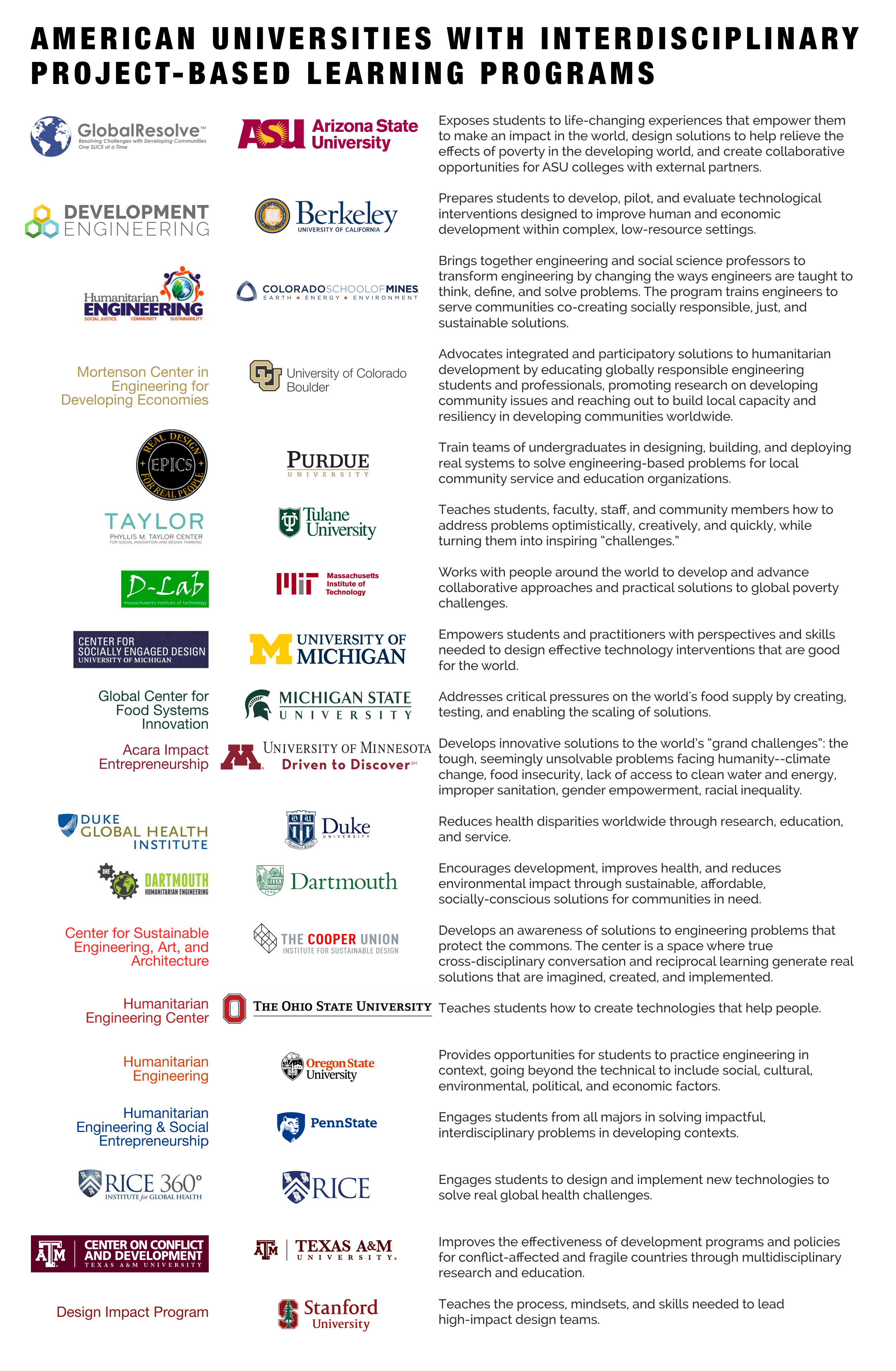
The Blum Center for Developing Economies at UC Berkeley has begun to address this research gap by examining curricula that converges these two pedagogical approaches. The Blum Center is one of a number of academic programs across the country [see chart below] that offers hands-on learning experiences, which aim to help students understand their future roles outside the university. The center also facilitates interdisciplinary collaborations among students, researchers, and faculty to solve grand challenges in water, energy, education, healthcare, and wireless communications, among other areas.

The Blum Center is home to Development Engineering, an interdisciplinary field at UC Berkeley created in 2014 that integrates engineering, economics, business, natural resource development, and social sciences to create,implement, and evaluate technologies that address the needs of people living in poverty. Development Engineering’s core class, DevEng 200, is organized around three thematic modules: 1) understanding the problem, context, and needs of a community receiving the intervention; 2) creating effective prototype technologies to social problems; and 3) field testing and assessing the impact of these technologies on the receiving communities.

While the prototypes developed in courses like this one foster interdisciplinary understanding, it is still unclear how they cultivate intellectual strengths from one student in, say, mechanical engineering to another student in, say, public health. In other words, how is the sociological understanding of an engineering student or the design/evaluation skill of a public health student cross-cultivated in this course? How do students push themselves to learn skills that lay outside their expertise under the pressure of academic deadlines? And how do faculty assess aptitude of students in these interdisciplinary skills? The Blum Center is working to understand these questions as well as others, as it strives to provide project-based education that is rigorous not just in process, but also in its interdisciplinary content.

Research about project-based learning has mostly concentrated on K-12 education, and little exists on interdisciplinary project-based learning.Thus in our initial stage of inquiry, the Blum Center has reached out to over a dozen U.S. colleges and universities with academic programs similar to the Development Engineering graduate emphasis, to better understand the broader landscape of interdisciplinary project-based learning in higher education. We administered a short survey, and from the responses received have identified several areas in interdisciplinary project-based learning curricula that merit further investigation. They include:

  1. The experience of co-teaching, specifically between engineering and social science faculty, to better understand how co-teachers encourage interdisciplinarity among students from different majors.
  2. The need to identify best practices among faculty who have taught in this space, with complementary input from the participating students about their perceptions of these approaches.
  3. An assessment of the opportunities and challenges involved in interdisciplinary project-based learning, according to faculty and students. Because interdisciplinary project-based learning is not the norm, it is crucial to understand what faculty and students see as the incentive for engaging in this type of learning and what are the challenges in offering it.

Specifically, project-based learning has been credited for appealing to students’ motivations, strengthening their ability to problem-solve, refining their conceptual knowledge, and fortifying their sense of agency. Interdisciplinarity is recognized as fundamental for preparing students for democratic participation and is a growing imperative for U.S. colleges and universities at both undergraduate and graduate levels.

In line with what the literature suggests, the Blum Center sees promise in project-based learning, particularly when taught with an interdisciplinary approach. In the coming months, we will share a report that aims to deepen our understanding and ability to provide meaningful and effective education that not only benefits students, but also enterprises and communities around the world in need of support.

For an example of the Blum Center’s previous work in this area, see the Development Engineering Toolkit: Lessons on Implementing a New Multidisciplinary Program Uniting Engineering and the Social Sciences

Nicole Rangel is an educator and Ph.D. candidate in the Social and Cultural Studies of Education program at UC Berkeley.

InFEWS Welcomes New Graduate Cohort

Last month, the Blum Center hosted a networking reception for its inaugural cohort of Innovation at the Nexus of Food, Energy and Water Systems (InFEWS) doctoral students.  InFEWS is a prestigious National Science Foundation-funded graduate research program that uses the Development Engineering (DevEng) methodology to create solutions for challenges that span food, energy and water systems in low-resource settings domestically and abroad.

An exceptional and well traveled-group of 19 fellows, the InFEWS Fall 2017 cohort’s research focuses range from environmental science and policy, economics, engineering to social welfare, all of which will help enhance the program’s collaborative and interdisciplinary process. During the reception, Drs. Alice Agogino and Sophi Martin showcased the wide range of resources available to the Fellows, and students shared their research interests and networked with faculty. Students’ research interests include important topics such as resource recovery in rural settings, international development policy evaluation, and access to safe water.

The DevEng program and the Blum Center are excited to welcome these innovative and highly-motivated individuals to InFEWS. Check out infews.berkeley.edu to learn more about the program and to read about the cohort’s progress.

Engineering Improvements for the World

(Published in the Washington Post) By Lina Nilsson and Shankar Sastry In labs around the world, a new generation of engineers is emerging. They are men and women concerned by the gulf between rich and poor and by environmental changes and resource depletion. They are what we call “development engineers” — engineers (and often economics, business and social science majors, as well) who are dedicated to using engineering and technology to improve the lot of the world’s poorest people.

Host and Fellow Responsibilities

Host Organizations

  • Identify staff supervisor to manage I&E Climate Action Fellow
  • Submit fellowship description and tasks
  • Engage in the matching process
  • Mentor and advise students
  • Communicate with Berkeley program director and give feedback on the program.

Berkeley Program Director​

  • Communicate with host organizations, students, and other university departments to ensure smooth program operations

Student Fellows

  • Complete application and cohort activities
  • Communicate with staff and host organizations
  • Successfully complete assignments from host organization during summer practicum
  • Summarize and report summer experience activities post-fellowship